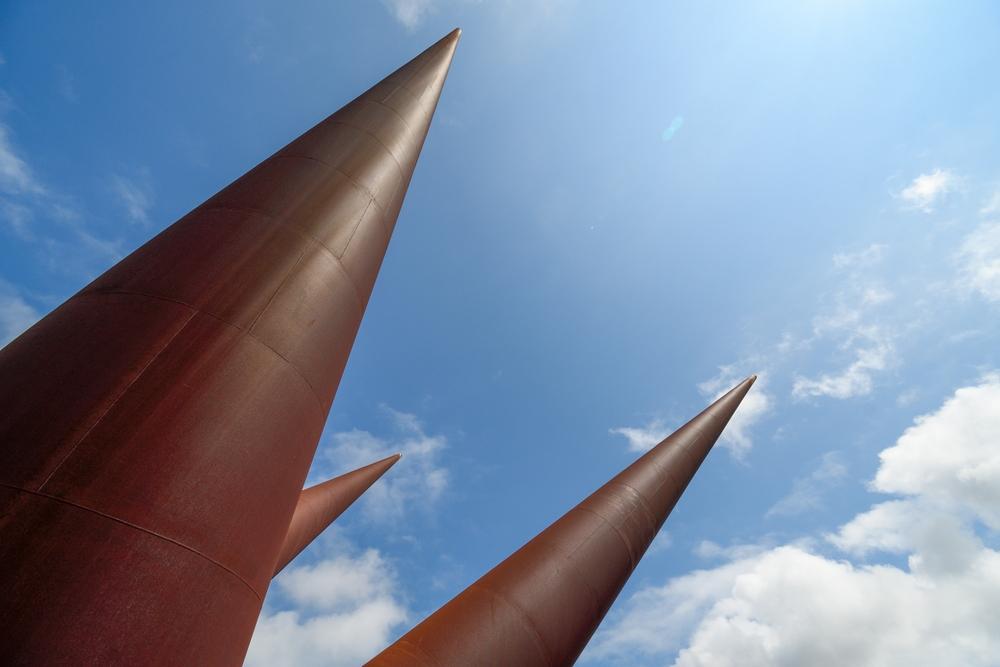
Why Architects Are Obsessed With Corten Steel
Natural colors and deep textures make a building stand out from the crowd. Most metals need paint to look good and stay strong against the wind. Some special materials get better as they age in the open air.
Corten steel changes color over time to create a warm and earthy look. Designers love how the protective layer of corten steel keeps the structure safe while looking beautiful in any weather.
A changing palette:
The most striking feature of this material is the way it reacts to the environment. It starts as a dark grey metal and slowly develops a bright orange hue. Over several years, this color deepens into a dark brown or purple shade. This means a building looks different every time you see it.
Built to last:
While standard iron might rot away when exposed to rain, this version creates a dense layer of oxidation. This layer acts as a barrier that prevents further corrosion. Because it protects itself, there is no need for toxic paints or expensive coatings. It stays strong for decades without losing its structural integrity. It is a rare example of a material that gets better as it gets older.
Low maintenance needs:
One reason designers choose this option is because it saves money over time. Since the rust layer is the final finish, owners never have to repaint the structure. Scratches or scuffs simply blend back into the patina as the metal heals itself. This makes it perfect for large public buildings or tall towers where cleaning is difficult. It offers a set and forget solution for busy urban environments.
Blending with nature:
The earthy tones of the metal help structures disappear into natural landscapes. It looks beautiful next to green trees, red rocks, or brown soil. Unlike shiny glass or white concrete, it does not clash with the forest or the desert. It feels organic and soft despite being a heavy industrial product. This helps architects create a bridge between man-made shapes and the wild world outside.
Texture and depth:
Most modern materials feel flat and cold to the touch. This weathered surface provides a rough and tactile experience that adds character to any wall. The way light hits the uneven rust creates shadows and highlights that change throughout the day. It adds a sense of history to a brand new project. This depth makes even the simplest boxy shape look like a piece of fine art.